


Pressure Drop in Compressed Air: 5 Causes and How to Prevent It
| 28 August, 2026Pressure drop in compressed air systems is one of the most common and costly problems in industrial plants. In this article we explain its 5 main causes and how to prevent it to improve the energy efficiency of your system.
Imagine the compressor in your plant is working at adequate pressure, but when the air reaches a critical machine, the gauge shows a considerably lower pressure. The equipment begins to operate irregularly, tools lose performance, and processes become less efficient. A common reaction is to increase the compressor discharge pressure — but this can hide the problem and generate higher energy consumption. The real solution is to identify where and why pressure is being lost throughout the system.
How Much Compressed Air Is Being Wasted Without You Knowing?
Compressed air is considered the fourth industrial utility. However, a significant portion of this air never reaches the productive processes — and pressure drop is one of the main culprits. The real solution is to identify where and why pressure is being lost throughout the system.

What is Pressure Drop in Compressed Air?
Pressure drop is the decrease in pressure that occurs from the compressor discharge to the point where compressed air is finally used. This loss is produced by the resistance the air encounters as it moves through pipes, hoses, filters, fittings, valves, dryers, and other system components.
In a correctly designed system, pressure drop in compressed air must be kept as low as possible. When restrictions exist, components are incorrectly sized, or maintenance is lacking, the difference between the pressure generated by the compressor and the pressure available at the point of use can increase considerably.
The result is a system that needs to work at a higher pressure to compensate for losses, increasing energy consumption and reducing the overall efficiency of the installation.
Why Increasing Compressor Pressure Is Not Always the Solution
When a machine does not receive enough pressure, increasing the compressor discharge pressure may seem like the simplest alternative. However, doing so without investigating the root cause can generate negative consequences. For every increase in operating pressure, the compressor needs to work harder to produce and maintain that pressure, which can translate into higher energy consumption and operating costs.
Additionally, higher pressure can increase the flow of air lost through existing leaks in the network. For this reason, before modifying the compressor’s operating pressure, it is important to analyze the entire path that compressed air takes from generation to the point of consumption.
The problem may not be in the compressor, but in the path the air travels.
The Last Few Meters: The Importance of the Point of Use
One of the areas that most frequently generates restrictions is the final part of the system, just before the air reaches the equipment or tool that needs it. In this section, you may find hoses with insufficient diameter, saturated filters, small fittings, restrictive couplings, incorrectly sized regulators, or multiple accessories that generate flow resistance.
This part of the system can be considered the last stretch of compressed air distribution and, although it may seem like a small section, it can have a significant impact on the available pressure. Therefore, when there is an important difference between compressor pressure and machine pressure, it is advisable to first review components near the point of consumption.
5 Main Causes of Pressure Drop in Compressed Air
1. Hoses with incorrect diameter
A hose that is too small for the required flow can become an important restriction. When a tool or equipment needs a high air flow, using a small-diameter hose increases air velocity and flow resistance, causing greater pressure loss. The diameter must be selected according to the required flow and the distance between the network and the point of use.
2. Saturated or highly restrictive filters
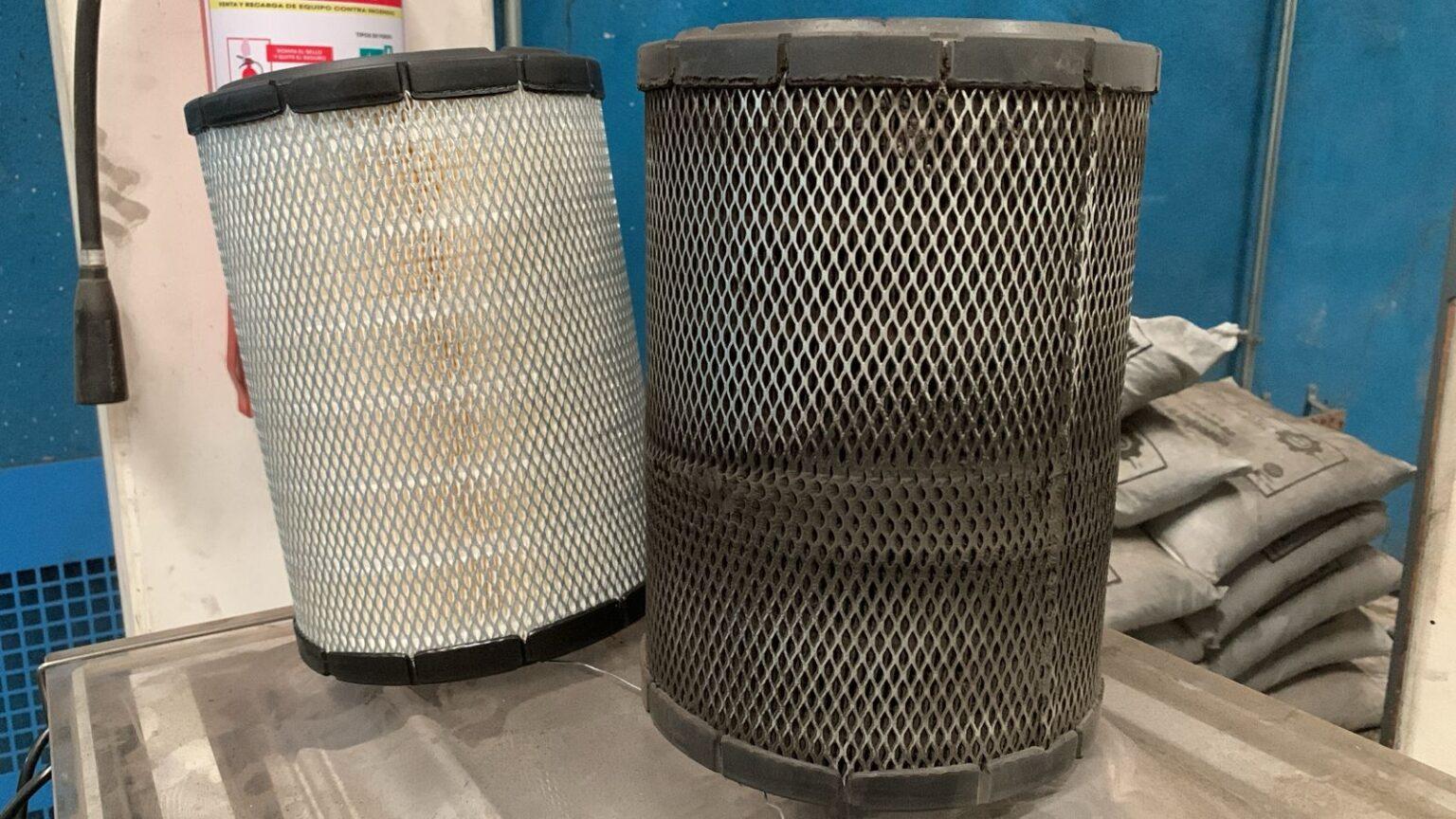
Filters are essential for removing contaminants from compressed air, but they require periodic maintenance. As the filter element accumulates particles and contaminants, resistance to air flow increases, causing an ever-greater pressure drop. It is important to monitor the pressure differential across filters and replace elements according to actual operating conditions.
3. Restrictive fittings and accessories
Quick couplings, regulators, lubricators, valves, and other components must be correctly sized for the maximum required flow. A system can have a correctly sized main pipeline and still present significant pressure drop due to a small or restrictive fitting installed just before the point of consumption.
4. Incorrectly sized pipes
Pipe diameter has a direct relationship with air velocity and pressure losses. When a network uses pipes that are too small for the flow passing through them, velocity increases and with it flow resistance. Considering larger diameter pipes can reduce pressure losses and energy costs throughout the entire service life of the system.
5. Excessive elbows and direction changes
Each direction change, reduction, or element that interrupts flow can generate additional loss. Network design should seek efficient routes, avoiding unnecessary restrictions and using configurations that favor uniform flow. A well-designed distribution network not only transports air to consumption points, but does so with the lowest possible pressure loss.
Leaks in the distribution network
Leaks are a frequent cause of pressure drop in compressed air systems. Every leak represents compressed air that was already generated and distributed using electrical energy, but never reaches the productive equipment. Detecting and repairing them is one of the highest-impact actions for improving system efficiency.
How to Detect Pressure Drop in Compressed Air
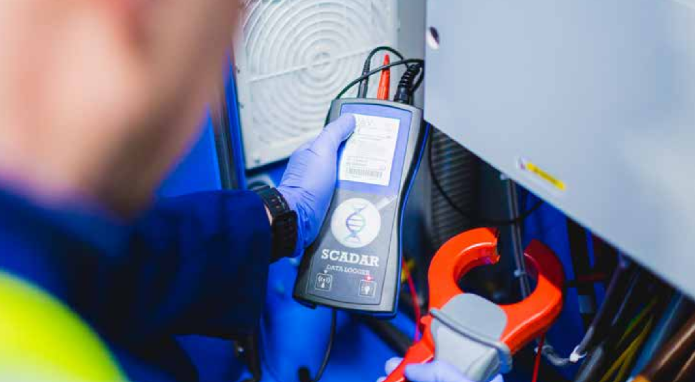
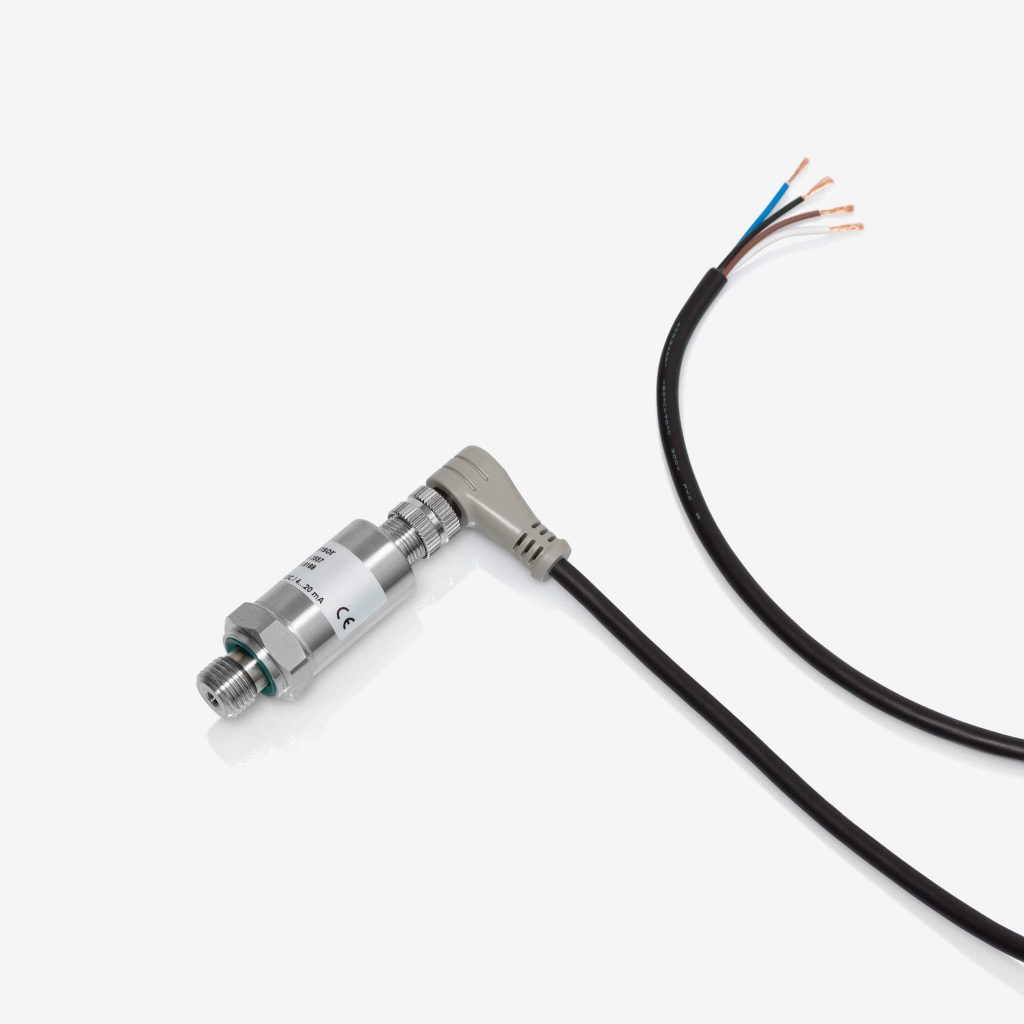
The first step to solving the problem is identifying which part of the system is producing the loss. An adequate evaluation can begin by comparing pressure at different points in the installation:
- ✓ Compressor discharge.
- ✓ Air treatment system outlet.
- ✓ Distribution network inlet.
- ✓ Main consumption points.
- ✓ Inlet of critical machines and equipment.
This comparison allows determining which section presents the greatest pressure difference. It is also important to review the condition of filters, dryers, pipes, hoses, fittings, and regulators. Measurements should be taken considering the actual operating conditions of the plant and especially during periods of highest consumption.
The Importance of a Complete Diagnosis
Pressure drop does not always have a single cause. In many installations, the problem may be the result of several factors that accumulate throughout the system. For example, a network may have a slightly undersized pipeline, filters with some restriction, and a small hose at the point of use. Each element generates an individual loss that, when combined, can cause a significant pressure drop.
For this reason, it is advisable to perform a comprehensive diagnosis of the compressed air system. Analyzing the generation, treatment, and distribution of air allows detecting improvement opportunities that may go unnoticed when only the compressor is reviewed.
How to Reduce Pressure Drop in Compressed Air
To improve the performance of a compressed air system, some important actions include:
- ✔ Review and correctly size pipes according to the required flow and future plant needs.
- ✔ Select appropriate hoses for the flow and operating pressure of each piece of equipment.
- ✔ Keep filters in good condition, monitoring their pressure differential and replacing elements when necessary.
- ✔ Use correctly sized components, including valves, regulators, and fittings.
- ✔ Reduce unnecessary restrictions in the distribution network and at points of use.
- ✔ Verify pressure directly at the equipment, not only in the compressor room.
- ✔ Take measurements under different demand conditions, especially during peak consumption periods.
- ✔ Detect and repair compressed air leaks, since higher operating pressure can increase losses caused by existing leaks.
Stable Pressure Starts with a Well-Designed System
The pressure shown by the compressor is not necessarily the pressure received by each piece of equipment in the plant. Between both points there is an entire distribution and treatment network that can generate losses if it is not correctly designed, sized, or maintained.
Therefore, when a machine has pressure problems, the answer should not always be to increase compressor pressure. Before doing so, it is essential to review the complete air path and determine where the restriction is located. Proper management of compressed air pressure drop allows improving process reliability, optimizing energy consumption, and preventing equipment from operating under inadequate conditions.
Don’t let pressure be lost along the way. Analyze your system, identify restrictions, and make sure compressed air reaches the point of use with the pressure it really needs.