

Dry Instrument Air: A Key Element for Oil & Gas Applications
| 12 November, 2025In the petrochemical industry, maintaining operational efficiency and safety is essential. Behind every valve that responds instantly, every actuator that operates with precision, and every emergency shutdown system, there is a critical component: instrument compressed air.
This air is not simply industrial compressed air; it is a dedicated supply, free of moisture, oil, and particles, designed to ensure that pneumatic systems operate reliably at all times.At Airtec Global, we specialize in providing comprehensive solutions that guarantee the quality of instrument compressed air. From compressors and desiccant dryers to air treatment systems with dew point control, our solutions are designed to protect critical equipment and maximize operational reliability.
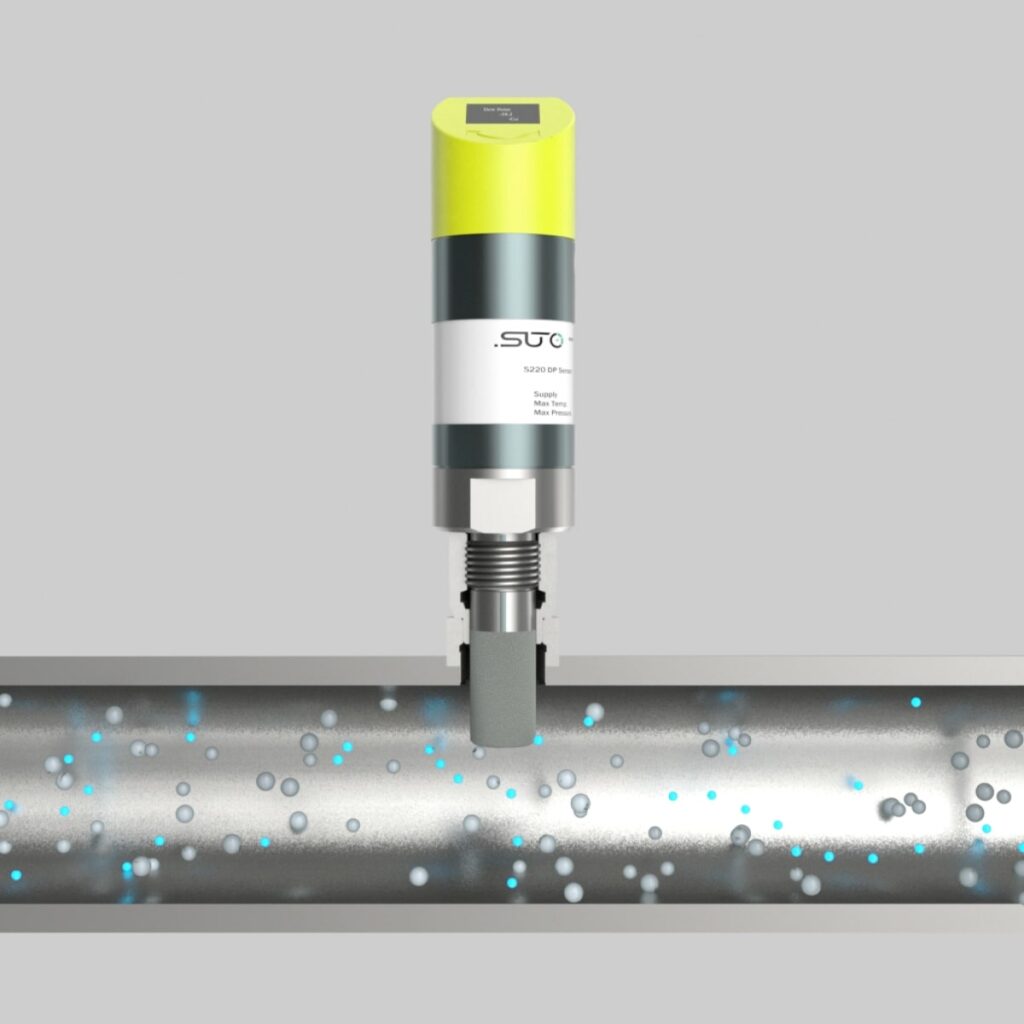
In addition, we offer systems for real-time monitoring of compressed air quality using SUTO technology. Monitoring instrument air is key to ensuring that it remains within the parameters required by the industry, preventing equipment failures, corrosion, moisture presence, condensate formation, or oil contamination. Equipment such as purity analyzers, dew point monitors, and particle sensors allow continuous verification of air quality, detection of deviations, and assurance that the air meets the conditions established by ISO 8573-1.
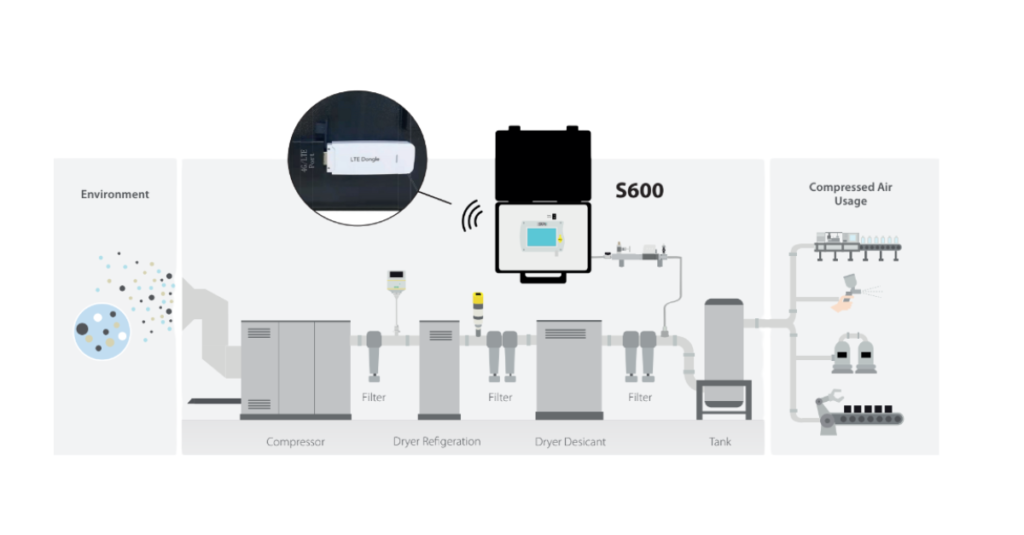
More information about our monitoring systems is available at:
Industrial Compressed Air vs. Instrument Air
Although often used interchangeably, industrial air and instrument air serve different purposes:
- Industrial compressed air: Used in general applications such as cleaning, surface blowing, or low-precision pneumatic tools. It may contain moisture, oil, or particles, which generally do not represent a critical risk in these operations.
- Instrument air: Intended exclusively for control instruments, valves, actuators, and safety systems. It must remain clean, dry, and with a controlled dew point, since even small amounts of moisture can cause freezing in lines, corrosion in components, and critical failures in emergency systems.
In other words, all instrument air is compressed air, but not all compressed air can be considered instrument air. Air quality is what guarantees the reliability of critical systems.
Risks of Moisture in Instrument Air
The presence of moisture in instrument air can have severe and far-reaching effects:
- Corrosion in valves and actuators, causing delays or blockages in critical operations.
- Freezing in control lines, interrupting signals and stopping processes.
- Inaccurate readings in sensors and analyzers, reducing the reliability of diagnostics and operational decisions.
- Failures in emergency shutdown systems (ESD), increasing risks for personnel and equipment.
In environments where safety and availability are priorities, these risks are not acceptable. Keeping the air dry and free of contaminants is not a luxury, but an essential requirement for reliable operations.
How Dry Instrument Air Is Guaranteed
To ensure the reliability of pneumatic systems, it is essential to have equipment that controls both humidity and air quality. At Airtec Global, we offer solutions that integrate compressors, desiccant dryers, and air treatment systems, allowing instrument air to meet the highest standards.
Desiccant dryers eliminate moisture using high-efficiency media, generally in an adsorption tower design that allows continuous drying while one tower regenerates. This ensures a stable dew point, preventing condensation and protecting critical equipment.
In addition, advanced air treatment and filtration systems remove particles and oil traces, extending the service life of valves, actuators, sensors, and analyzers. The combination of these systems provides reliable, stable, and safe air for the entire operation.
These purity and humidity parameters are controlled under the international standard ISO 8573-1, which classifies compressed air based on particles, water, and oil content. Complying with this standard ensures that the air used in instrumentation is suitable for critical applications in the oil and gas industry.
Applications and Benefits of Dry Air
Dry instrument air is essential throughout all stages of the oil and gas chain. Some critical applications include:
- Drilling operations and maintenance of pneumatic equipment.
- Processing plants, refineries, and flow control systems where instrument precision and reliability are essential.
- Hydrocarbon transportation and storage, where maintaining safe and stable control systems is fundamental.
The benefits of having dry, high-quality instrument air are clear:
- Operational continuity, preventing unexpected shutdowns and failures in critical systems.
- Equipment protection, reducing corrosion and wear of pneumatic components.
- Higher efficiency, thanks to optimized, low-maintenance systems.
- Safety and reliability, ensuring that control and emergency systems respond correctly in any situation.
Dry Air: The First Line of Defense
In the oil and gas industry, where safety and availability cannot be compromised, dry instrument air is the first line of defense against operational failures. Having comprehensive air treatment, drying, and compression solutions ensures that operations remain safe, reliable, and efficient, regardless of operating conditions.
At Airtec Global, our approach combines technology, experience, and a commitment to reliability, offering solutions tailored to the challenges of the industry. Maintaining high-quality instrument air is not just a good practice; it is protecting your processes, your equipment, and your personnel, ensuring that every operation is carried out with maximum safety and efficiency.

At Airtec, we help you with on-site audits, real consumption measurements, and technical proposals featuring proven products for fast implementation.
Trust the experts at Airtec and take your industrial compressed air systems to the next level!
CONTACT US! Our experts will provide you with the best alternative for your business.