

The importance of a wet tank in industrial compressed air systems
| 1 August, 2024WET TANK IN THE COMPRESSED AIR SYSTEM
Compressors discharge compressed air that is 100% saturated with moisture, mostly in the form of vapor. It is crucial to cool this air and retain the moisture that condenses before it reaches the air treatment equipment. These systems are specifically designed to filter or dry gases, not solids. The presence of water, even in liquid form, can cause significant issues, affecting both the performance and the quality of the compressed air that the end users will receive.
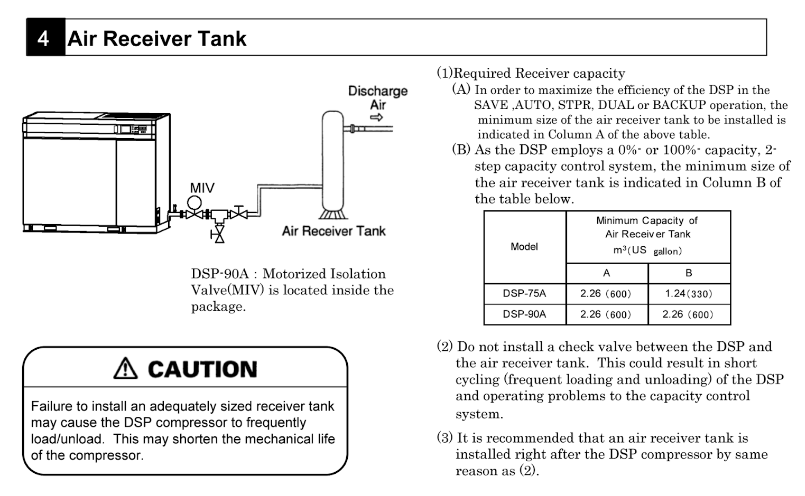
The wet tank compressed air system plays an essential role in this process. Typically configured vertically, the wet tank allows the compressed air to enter through the bottom and circulate along its inner walls until it reaches the outlet at the top. During this journey, the air cools and spins, enabling moisture in the form of condensate to move toward the bottom of the tank. This movement creates a calm zone where the condensate accumulates, making it easier to drain with the pressure of the compressed air.
This is where the wet vs dry tank compressed air debate comes into play. While dry tanks may not handle moisture in the same way, wet tanks help to effectively separate condensate, improving air quality and reducing system wear.
Energy and Operational Benefits of a Wet Tank
In addition to its moisture separation function, the wet tank acts as an energy accumulator. Being the first point of contact for the compressor, it helps regulate its operation and mitigate the dynamic stress created by multiple users connected to the system. This prevents rapid load and unload cycles, improving efficiency and prolonging the compressor’s lifespan. The compressed air wet receiver benefits also include enhanced air quality, as the wet tank plays a vital role in maintaining cleaner, drier air for downstream equipment. Properly managing moisture with a wet tank allows companies to improve air quality with wet tank storage, ultimately reducing the risk of corrosion and equipment failure.
TECHNICAL OPERATION OF THE WET TANK
1. Air Intake: The compressed air enters the tank through an intake valve located at the bottom.
2. Circulation and Cooling: The tank’s design forces the air to move in a circular pattern, facilitating heat transfer and lowering the air temperature.
3. Condensation: As the air cools, the water vapor present condenses into liquid droplets.
4. Condensate Separation: The condensate droplets move toward the bottom of the tank due to gravity and the low air velocity in that area.
5. Condensate Drainage: An automatic or manual drainage system allows for regular removal of the accumulated condensate without interrupting the compressed air flow
Example of Energy Benefit in a Manufacturing Factory
Initial Situation: A manufacturing factory operates with multiple air compressors without a wet tank compressed air system, facing frequent load and unload cycles due to fluctuating compressed air demand. This results in energy consumption spikes and accelerated compressor wear.
Implementation of the Wet Tank:
– Reduction of Load/Unload Cycles: With the wet tank, the compressed air accumulates and is released more evenly, reducing the need for frequent compressor starts and stops.
– Energy Savings: The more stable operation of the compressor decreases energy consumption spikes, achieving a 10-15% reduction in the electricity bill.
– Improved Air Quality: Efficient moisture removal with a wet tank compressed air system prevents corrosion and wear of pneumatic tools and other equipment, reducing maintenance costs and prolonging equipment lifespan.
– Operational Efficiency: The stability of the compressed air pressure enhances production line efficiency, reducing downtime and increasing productivity.
RESULTS
– Energy Savings: The factory reports a significant reduction in energy consumption, with an estimated annual savings of $20,000.
– Reduced Maintenance: Less wear on compressors and pneumatic tools reduces maintenance costs by 25%.
– Increased Productivity: The improvement in compressed air quality and pressure stability boosts operational efficiency, resulting in a 5% increase in annual production.
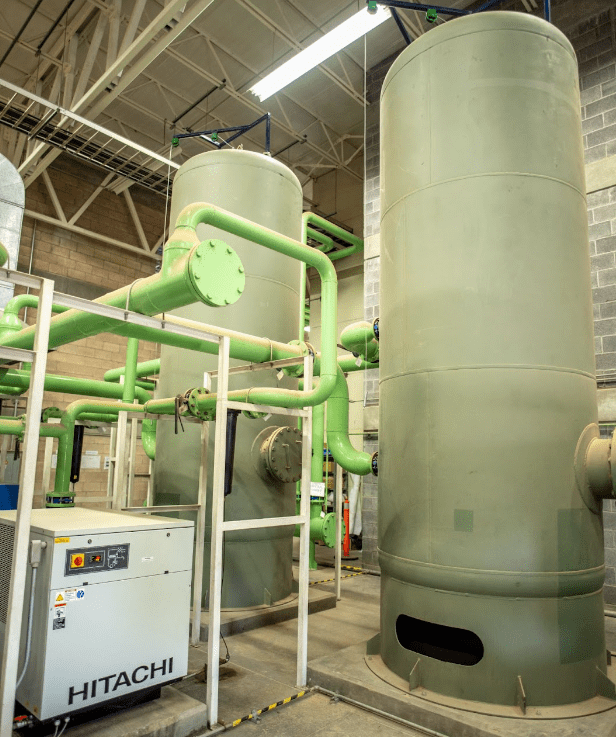
Our team of experts can help you provide the best solution for your application.
Thanks to modern compressed air wet receiver benefits, companies have access to truly innovative products and solutions.
How can Airtec help you?
At Airtec Servicios, we have many years of experience with these Hitachi / Sullair equipment, and our technicians are specialists in installation and report generation for industrial air system moisture management, which is why we have many satisfied customers.
CONTACTAC US! Our experts will provide you with the best solution for your company, including guidance on wet tank compressed air system implementation and optimizing your compressed air wet receiver benefits.