

Industrial Compressed Air Quality in accordance with ISO 8573-1
| 11 July, 2024COMPRESSED AIR QUALITY AND PURITY INSTRUMENTS
According to the ISO 8573-1 standard ensuring the quality of compressed air is one of the most important aspects when it comes to high-quality production processes. This is not only true in the food and beverage industry, but also in other industrial applications. It is crucial to know the oil content, particle concentration, and moisture levels of the compressed air supplied at the point of use. Typical air quality audits related to ISO 8573-1 can be expensive and time-consuming, and it’s time to change that.
Optimize Your Operating Processes – ISO 8573-1 Standard
SUTO offers cost-effective solutions that provide real-time onsite measurements to ensure that the process is always under control, preventing failures and drastically reducing risks. Excellence in German Technology: Industrial Compressed Air Quality Monitoring Instruments with ISO 8573 & ISO 8573-1 Compliance.
1. Remote Connectivity and Industry 4.0 Compatibility through Our Innovative S4M Software.
IMPORTANCE OF COMPRESSED AIR QUALITY TESTING AND ISO 8573-1 REQUIREMENTS
In modern compressed air systems, the quality of compressed air is a critical factor when it comes to process reliability and safety. Compressors suck in all types of contaminants through their intakes, which are then transported into the system. Filters are typically installed after the compressors to filter out these contents. The three parameters to monitor are:
- Oil content (measured in weight per volume [mg/m³])
- Particle concentration (measured in counts per cubic meter [cn/m³])
- Water concentration (measured as dew point temperature [°C Td])
Choosing the right Air Purity Testing Equipment is the first step to properly measure the quality of compressed air according to the ISO 8573-1 standard.
Why is compressed air quality a crucial parameter in a compressed air system?
Compressed air is used in almost all industrial processes, from food and beverages to medical applications. Sometimes, compressed air comes into direct contact with products, for example, in packaging processes where containers are blown with compressed air.
Since the compressed air system is part of the process and may come into direct contact with the products, monitoring air quality is very important. The ISO 8573-1 standard has defined quality classes for the three main parameters, such as oil content, particle concentration, and dew point (water concentration), which help users define the quality of the air that may come into contact with the final product according to defined standards.
Modern filtration systems are capable of filtering out any unwanted contamination from the compressed air used, most likely introduced by the compressors. However, in case of a filter failure or degradation, operators must have reliable real-time monitoring to respond to these failures, or else production could become contaminated or even recalled from the market. Compressed Air Contamination Detectors are essential for such cases.
In such situations, the damage to the product, as well as to the brand reputation, can be enormous. Only continuous monitoring of compressed air quality with Industrial Air Purity Measurement Tools can prevent this.
Where do compressed air impurities typically come from?
A modern compressed air system consists of a compressor followed by air filters and dryers, known as the filtration system. These filters are necessary because compressors suck in ambient air and introduce any contaminants from the surrounding air into the system.
Contaminants in a compressed air system can come from various sources and affect the quality and purity of the compressed air, including:
- Air intake
- Compressor
- Pipes and fittings
- Dryers and filters
- Air leaks
1. Air Intake
The air drawn from the environment and compressed can contain dust, particles, and other contaminants. Moisture from the ambient air is also sucked in, compressed, and introduced into the system.
2. Compressor
The compressor itself can produce contaminants such as oil mist, carbon particles, and other impurities. Even an oil-free compressor can introduce oil into the system, as oil vapor can be part of the intake air.
3. Pipes and Fittings
If the compressed air system is not properly maintained, rust, scale, and other deposits can accumulate in the pipes and fittings, contributing to air contamination. Valves, seals, fittings, quick disconnects, and other components are often sources of contamination.
4. Dryers and Filters
If the compressed air system includes equipment like filters and dryers that are not properly maintained, they may clog up and no longer effectively remove contaminants from the air. This can compromise compressed air contamination detection.
5. Air Leaks
Leaks in the system can allow external air and contaminants to enter the compressed air lines.
Monitoring the quality of compressed air with the correct compressed air quality monitoring instruments is essential to detect all possible contaminants, ensuring compliance with standards like ISO 8573 and maintaining air purity levels.
Why is real-time compressed air quality testing so important?
In the past, a common approach to assessing compressed air quality was to take air samples on-site and analyze them in external laboratories for quality audits. However, there was a significant drawback to this method: the results took weeks to be available, preventing real-time monitoring of compressed air quality.
As a result, relying on sampling with probes and external laboratory analysis only provided a snapshot of the air quality at a specific date and time. Any degradation or filter failure that occurred between audits could go unnoticed by operators.
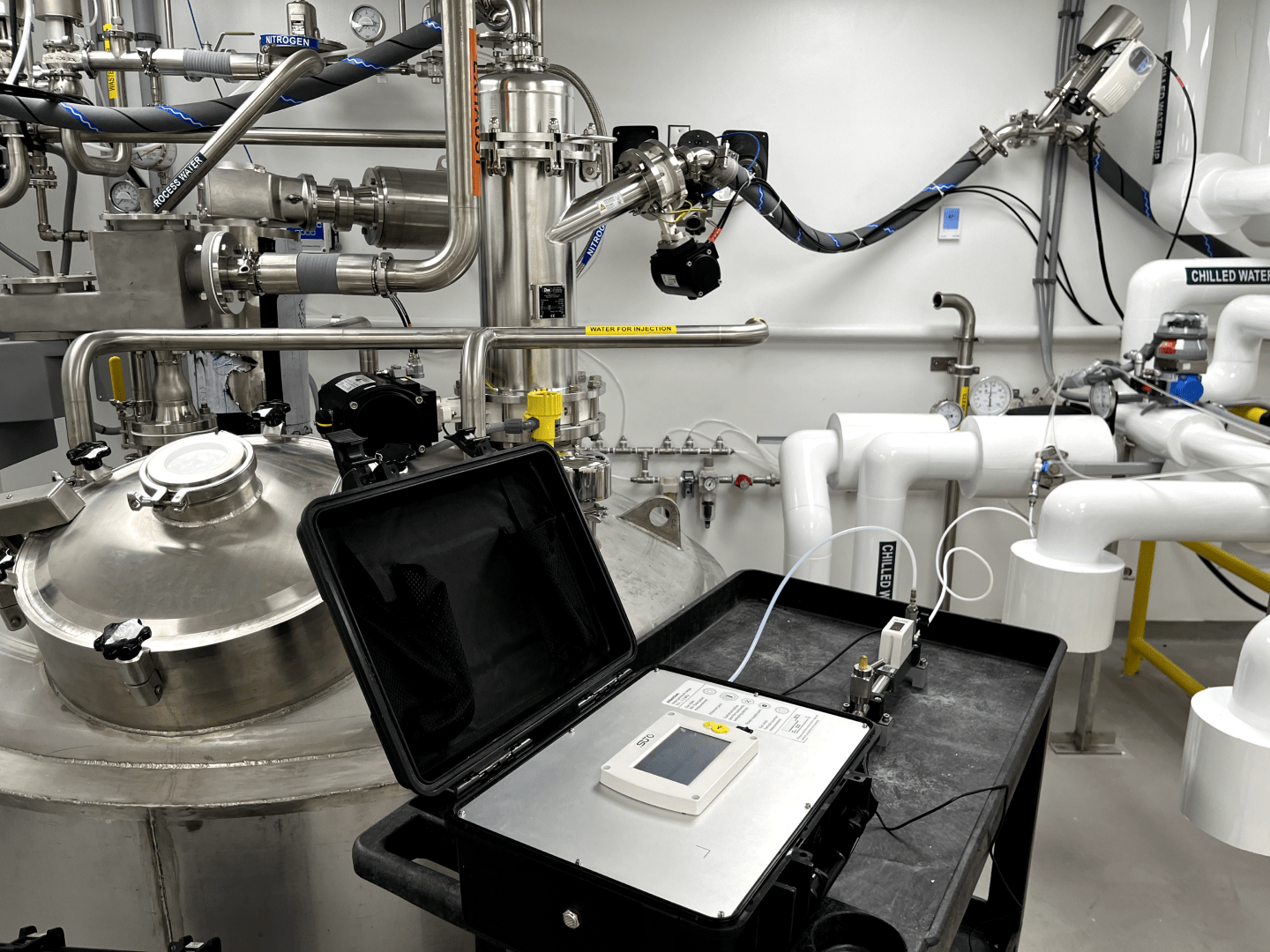
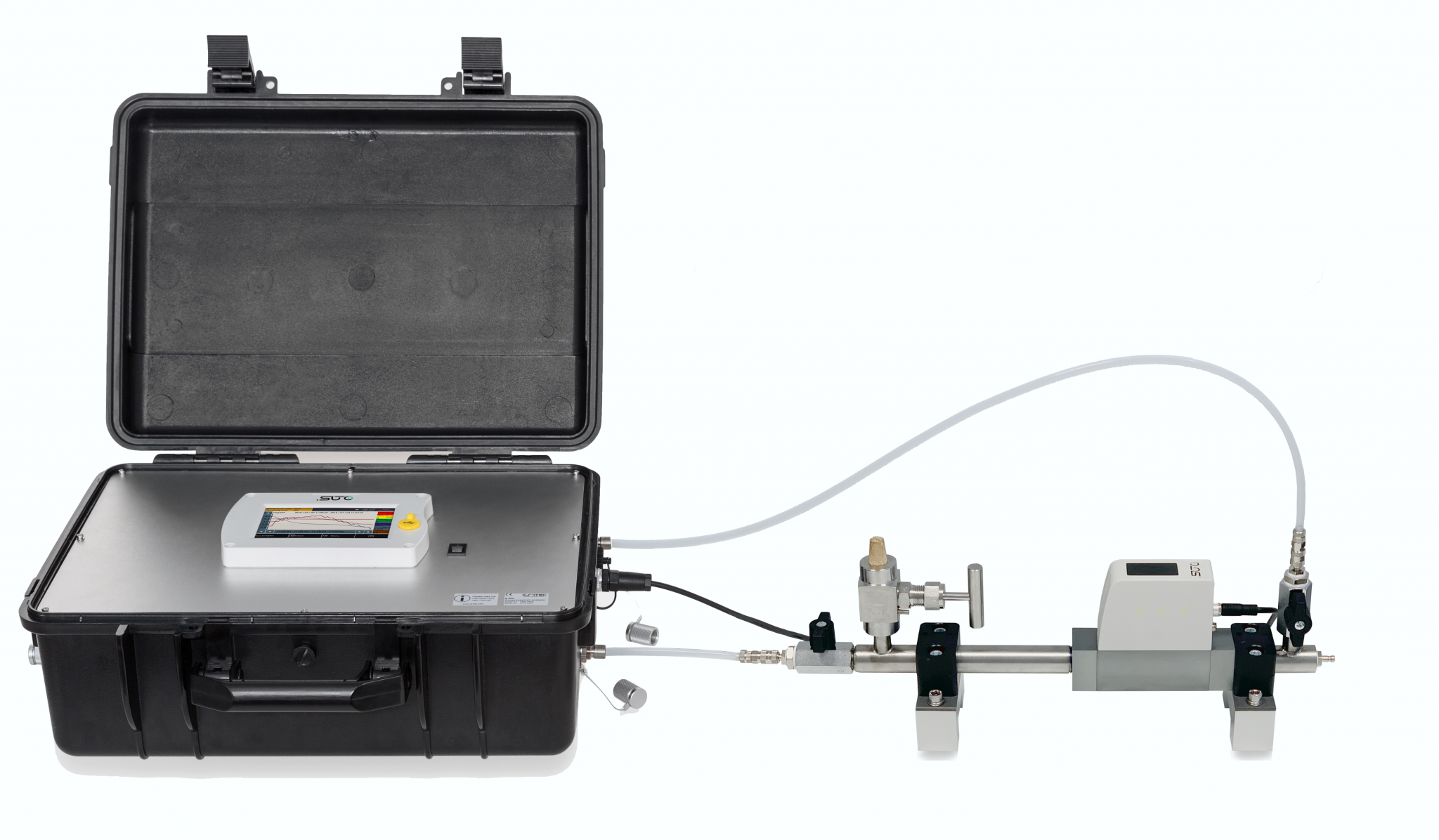
SUTO systems offer on-site live monitoring solutions that provide real-time measurements of compressed air quality, allowing for immediate action when issues arise. These compressed air quality monitoring instruments provide continuous data, ensuring that operators are always informed of the air purity testing equipment performance and quality status. These systems also integrate with ISO 8573 air quality analyzers for compliance with industry standards.
With compressed air contamination detectors in place, operators can address any changes as they happen, preventing potential consequences before they escalate. These real-time solutions are also ideal for managing industrial air purity measurement tools, ensuring that all monitoring is done effectively and in line with established standards.
Our team of experts can help provide the best solution for your application.
Thanks to modern compressed air technology solutions, companies have access to truly innovative products and solutions.
How can Airtec help you?
At Airtec Servicios, we have many years of experience using SCADAR equipment, and our technicians are specialists in installation and report generation, which is why we have many satisfied clients.
CONTACT US! Our experts will provide you with the best alternative for your business.